Anaerobic Hybrid Reactors’
Anaerobic Digestion is a popular process for wastewater treatment as it results in the production of renewable energy in the form of methane and carbon dioxide rich biogas. Additionally the nutrient left after digestion can be used as fertilizer.
Anaerobic attached growth treatment process or ‘anaerobic hybrid reactors’ has gained popularity in wastewater treatment industry for treating high strength industrial wastewater. This treatment is considered effective and has economic as well as environmental benefits.
Anaerobic Degradation Process
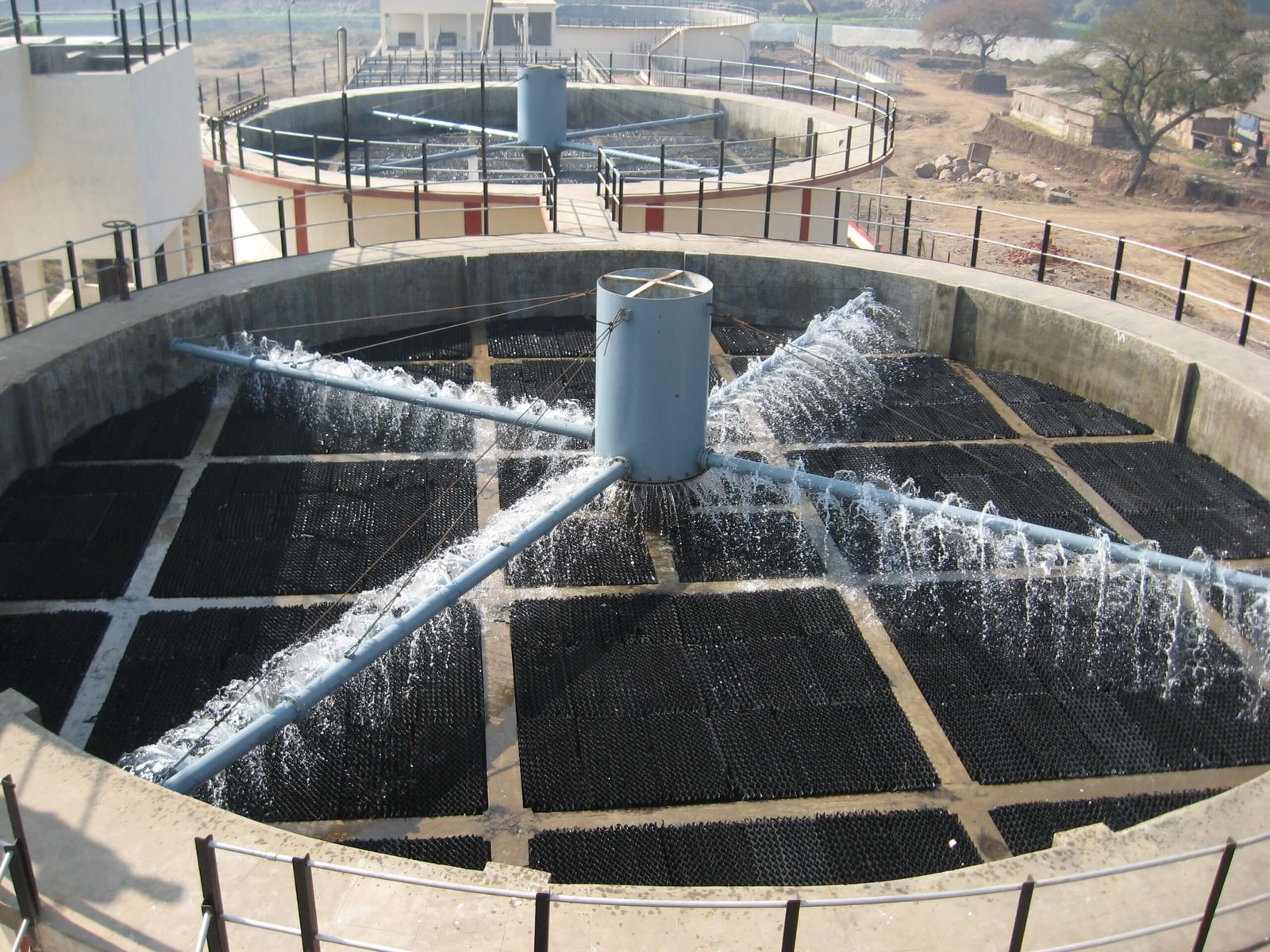
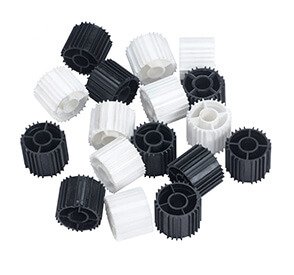
The packing is mainly used to retain the sludge or solids in the reactor and built up huge concentration of sludge to treat high strength waste. There are various types of plastic packing used, which are mostly variants of Structured PVC media.
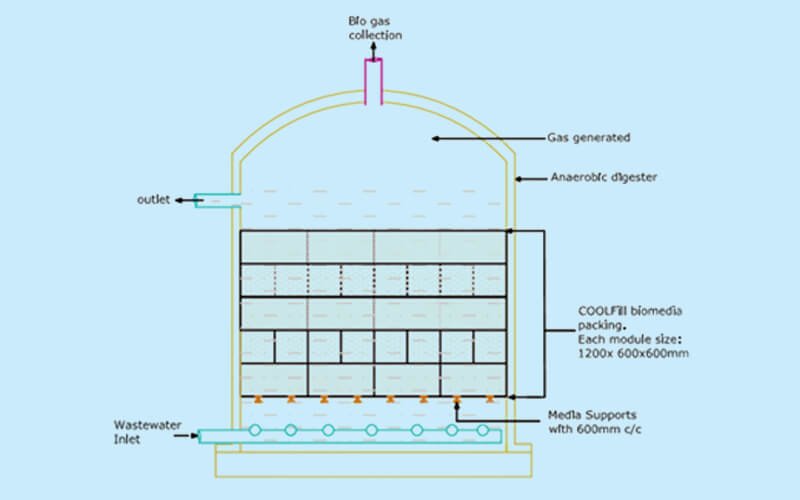
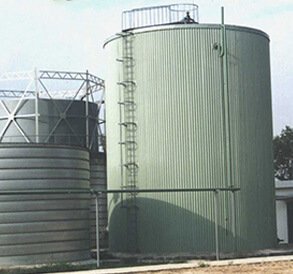
This process can be down flow or up flow and the reactor can be of circular or rectangular shape. The media packing is placed for only 30 to 70 % of the reactor volume.
The immobilization of microbial biomass within the reactor as a biofilm allows effective treatment of the wastewater at ambient and higher temperatures, as well as gives reasonable hydraulic retention times. The composition and concentration of bacterial groups in the biofilm developed on the media in the fixed-film digester result in a significantly enhanced anaerobic degradation process.
Advantages Anaerobic Hybrid Process
- Allows higher COD loadings thus reducing in reactor volume up to 40% in comparison with conventional Non-media digester, hence saving in civil cost.
- Zero wash out of microbial mass from the reactors comparison with conventional digestors.
- Higher percentage of methane in the bio-gas.
- Lower sludge generation.
- Minimal variation in alkalinity, VFA which are very essential for digester performance.
COOLFill Bio-media
The basic advantage of using COOLFill Bio-Media is that it provides larger contact surface area between wastewater and microbial mass. The product is designed with microstructures suitable for anaerobic fixed film reactors providing high surface area of 95 to 170 m2/m3 volume of media. This media also gives larger voidage of 95-97% hence the low affinity to chocking.
The range of COOLFill series SP-B33.27, SP-B33.01, SP-B53.01 provides large alternate vertical cross –flutes which eliminates the plugging of media and offers very minimal resistance to flow. It also helps in handling higher solid concentration in the wastewater.
Advantages of COOLFill Bio-Media
- Due to vertical and cross fluted structure the wastewater is distributed and redistributed throughout the tank volume without having a mechanical mixing arrangement.
- The configuration of the media allows uninterrupted channels to promote bacterial attachment and bio-film growth.
- Faster start up time after shut down process as a film of biomass is always attached to the film.
- The fixed film reactor has the ability to take shock loads both in terms of BOD/COD as well as hydraulically.
- The operation and maintenance cost is also much lower, as there is no mechanical or moving parts involved in the process.